1win Token ($1WIN) is the Solana-based utility token for the 1win ecosystem. The public Token Sale has ended, and the project has announced that claims are open and trading is available on Meteora. Sale participants can claim their allocated tokens and recover unused USDC through the token website. See the project’s updates.
The token uses the SPL standard. Its total supply is 1 billion tokens, with 130 million allocated to the public sale. These are different figures: the sale allocation represents 13% of the total supply. Token specifications, supply allocation.
1win Token at a Glance
The public sale used a fixed token price and proportional allocation. The figures below describe the sale terms and token supply, rather than a live market quote.
| Detail | Value |
|---|---|
| Token name | 1win Token |
| Ticker | 1WIN / $1WIN |
| Blockchain and standard | Solana, SPL |
| Total supply | 1,000,000,000 tokens |
| Public sale allocation | 130,000,000 tokens |
| Public sale price | 0.03 USDC per token |
| Value of the sale allocation | 3,900,000 USDC |
| Minimum sale contribution | 10 USDC |
| Maximum sale contribution | No individual limit |
| Public sale vesting | 100% unlocked at TGE |
TGE means token generation event. An unlocked allocation can be claimed without waiting for a public-sale vesting schedule; it does not guarantee a particular selling price or available liquidity. Sale rules, vesting schedule.
Token Sale Results and Oversubscription
The project’s closing announcement reported $61,024,129.39 in contributions and 15.64× oversubscription. That contribution pool was larger than the $3.9 million allocation available at the sale price. Excess contributions are refundable under the sale model. Token Sale closing announcement.
Oversubscription determines how much of each participant’s contribution buys tokens. When the pool exceeds the allocation value, participants receive tokens in proportion to their share of the pool, and the unused USDC is returned.
For example, suppose participants contribute 10 million USDC against a 3.9 million USDC allocation. A contribution of 10,000 USDC would use 3,900 USDC to buy 130,000 tokens at 0.03 USDC each. The remaining 6,100 USDC would be refundable. This illustrates the allocation formula; it is not an individual claim balance.
The pool total measures contributions before refunds. It should not be read as the amount retained from the sale or as a forecast of future token demand. How proportional allocation works.
How to Claim 1win Token
Use the same Solana wallet that funded your Token Sale contribution. The project’s claim instructions require SOL for the transaction fee and explain how to import the token if the balance does not appear automatically. Claim instructions.
- Open 1wintoken.com and find the Claim section.
- Connect the wallet you used for the Token Sale.
- Check the token allocation and unused USDC shown for that wallet.
- Keep some SOL in the wallet to cover network fees.
- Select Claim, review the transaction and confirm it in your wallet.
- Check the confirmed transaction and your wallet balance. Follow the website’s instructions to withdraw any unused USDC.
If you contributed through several wallets, repeat the process with each wallet separately. A different wallet will not show the contribution made from your original address.
The project states that participants have 365 days to claim tokens and unused USDC after the Token Sale. Check the deadline displayed in the claim interface before leaving a balance unclaimed. A wallet connection or claim transaction never requires you to disclose your recovery phrase. Claim-window announcement.
Check the Solana Contract Before Trading
The project’s Meteora announcement identifies this Solana token address:
FjPKUGnF5zBpdEv18gT8FJCtxh3MKrFkoeYekgYr1win
Compare the full address with the project’s current links before selecting a token in a wallet or swap interface. A matching name, logo or ticker alone does not identify the correct asset. The litepaper’s specifications page still shows the contract as TBA, so use the newer project listing announcement to verify the published address.
If a confirmed claim is missing from the wallet’s token list, use the token website’s Add 1WIN option, where available, or the wallet’s manual import function. Importing the asset changes its visibility in the wallet; it does not create another token allocation.
How to Buy After the Token Sale
The initial sale price of 0.03 USDC is a historical sale term. A swap after listing uses the available market price, which can change between opening the interface and confirming a transaction.
The project has announced trading on Meteora. Its instructions describe connecting a Solana wallet, selecting SOL to $1WIN, checking the contract address, reviewing slippage and price impact, then confirming the swap. Keep SOL available for fees. Meteora listing and purchase instructions.
Review the amount you will receive and the transaction details before approval. Do not send funds to the completed Token Sale expecting a new allocation. Market price, trading volume and holder counts change; a saved price chart is not an executable quote.
What Can You Use $1WIN For?
The litepaper describes gaming, lottery participation and wager rewards as the token’s main uses. The project has also reported that airdropped tokens are being used in multiple game modes. Individual features can follow different launch schedules, so check what is available in your account. Utility overview, project update.
Casino Games and Sports Betting
The gaming section covers slots, table games, live dealers, sports, esports, poker and 1win originals. For the wider game selection, visit the 1win casino. Check the supported balance and currency before placing a bet; a token holding does not establish that every game currently accepts it. Gaming utility.
Token Lottery
The planned token lottery uses five numbers from 1–36 and one jackpot number from 1–10. Its published design allows up to 100 tickets per user per day, with rewards paid in $1WIN. The project’s update describes the lottery as a coming feature, so confirm availability before buying tokens for this purpose. Lottery design, development update.
Wager Rewards and Telegram Airdrop
Wager Rewards links crypto wagering activity to points and seasonal token rewards. The Telegram Mini App has a separate airdrop allocation of 80 million tokens. These reward programmes are separate from the public-sale purchase allocation. Wager Rewards, Telegram Mini App.
For account access on your phone, use the 1win app guide. Token rewards also have separate conditions from the offers listed on the 1win promo codes page.
Tokenomics: Supply Allocation and Vesting
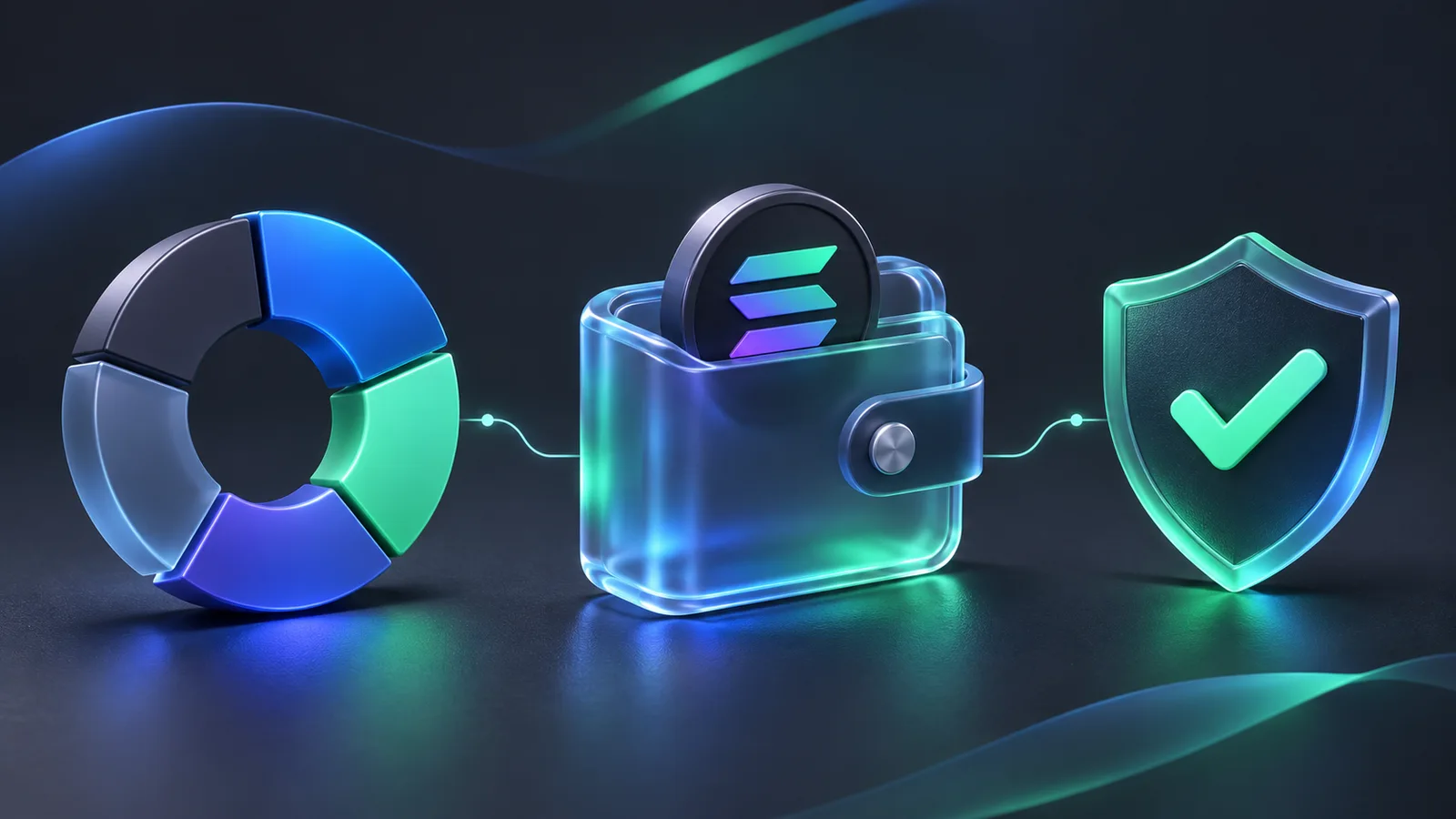
The litepaper divides the fixed 1 billion token supply into seven categories. Public-sale tokens and the Telegram Mini App airdrop are fully unlocked at TGE, while other allocations have separate release schedules.
| Allocation | Share | Tokens |
|---|---|---|
| Games | 25% | 250,000,000 |
| Liquidity | 20% | 200,000,000 |
| Token Sale | 13% | 130,000,000 |
| Treasury | 10% | 100,000,000 |
| Marketing | 6% | 60,000,000 |
| Telegram Mini App airdrop | 8% | 80,000,000 |
| Wager Rewards | 18% | 180,000,000 |
A fixed total supply is different from circulating supply. Tokens can enter circulation through scheduled releases, while burns remove tokens. The public sale’s lack of vesting should not be applied to every allocation. Allocation breakdown, release schedules.
How Buybacks and Token Burns Are Designed to Work
The buyback model uses a portion of platform revenue to purchase $1WIN on the market. The litepaper does not specify a fixed revenue percentage in its buyback section. Buyback model.
The burn model calls for permanently removing 10% of $1WIN spent on the platform. This is a percentage of token spending, not 10% of every holder’s wallet balance. The first burn is scheduled for 30 days after TGE, and the project’s update places the first buyback and burn one month after TGE. Burn mechanism, timing update.
These mechanisms describe planned purchases and supply reductions. They do not guarantee a price increase. Market demand, liquidity, token releases and execution of the programme still affect trading conditions.
Checks Before Connecting Your Wallet
Check the website address, the full token contract and the transaction request before confirming a connection or swap. Keep your recovery phrase private and review any request that would move assets from your wallet.
The litepaper lists market volatility, smart contract vulnerabilities, network congestion and operational disruption among the risks. It also states that holding $1WIN gives no equity, dividend, ownership or governance rights. Eligibility depends on the project’s restrictions and applicable local rules. Risk factors, legal terms.
FAQ
What is 1win Token?
1win Token is the $1WIN utility token on Solana. The litepaper describes its uses in gaming, token lottery participation and reward programmes within the 1win ecosystem.
Is the total supply 130 million or 1 billion?
The total supply is 1 billion tokens. The 130 million figure is the public Token Sale allocation, equal to 13% of the total.
Do Token Sale tokens have vesting?
Public-sale tokens are 100% unlocked at TGE. Other allocations, including treasury, marketing and game-related tokens, have different release schedules.
Why is some of my USDC refundable?
The sale used proportional allocation. When contributions exceeded the value of the available tokens, only part of each contribution was needed to buy the allocated tokens. The unused part is refundable.
Do I need SOL to claim $1WIN?
Yes. The project’s instructions require SOL in the participating wallet to pay the Solana transaction fee. USDC and $1WIN do not replace SOL for that fee.
Is the Token Sale price still available?
The public sale price was 0.03 USDC per token. The sale has ended, and a market swap uses the current quote, fees and liquidity rather than the original sale terms.